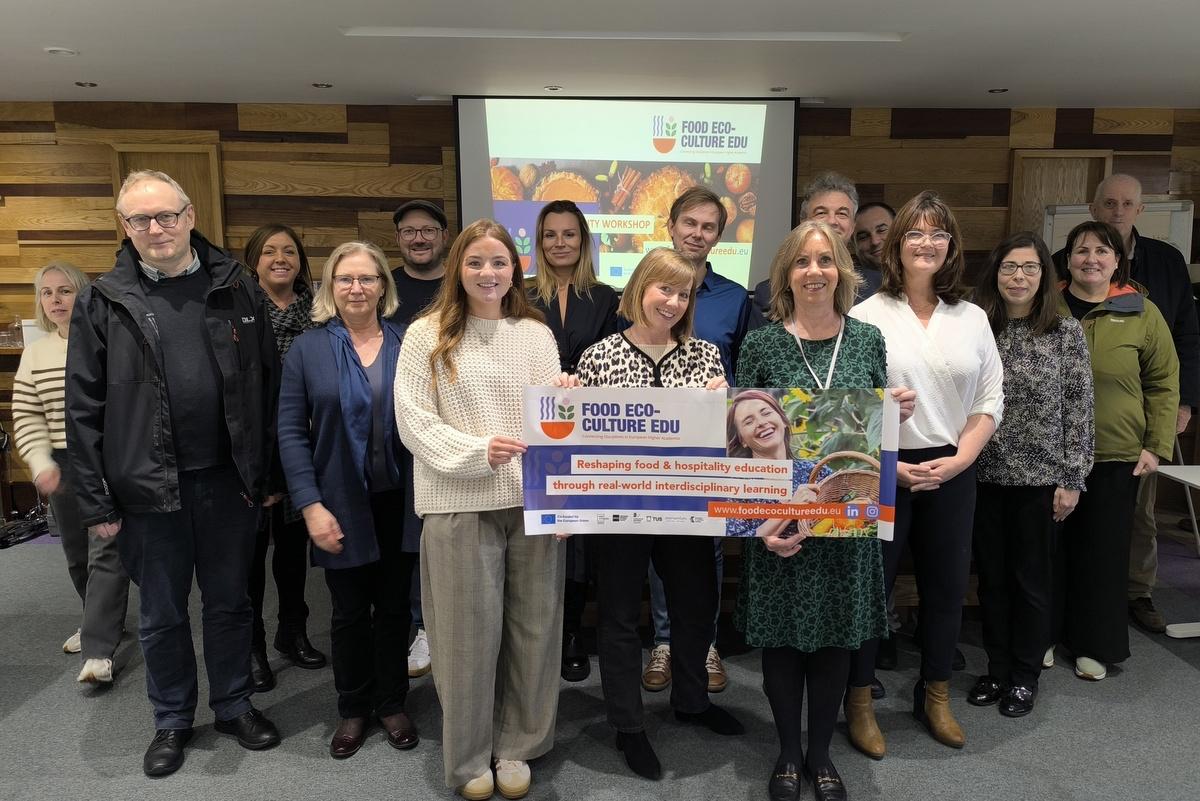
Food is never just about what is on the plate. It is a complex tapestry of heritage, a frontier for digital innovation, a pathway to health & wellbeing and our most powerful tool in the fight for environmental sustainability. Yet, for too long, food and hospitality education has remained siloed…focusing on technical service or culinary skills while the world around the kitchen changed.
Today, we are thrilled to shed some light on a transformative project: Food Eco-Culture Education (FECE) and introduce you to the FECE Curriculum Design. This isn’t just a set of lessons; it’s a response to a global call for change, brought to life by a consortium of European experts and the pedagogical leadership of Momentum.
Where Pedagogy Meets Real-World Practice
As VET (Vocational Education and Training) specialists, Momentum has played a central role in ensuring this curriculum isn’t just academic, but truly functional. Along with this, we have led the design aspects of the project, ensuring high-quality assurance and a learner-centred approach that translates complex research into accessible, relevant, modular education.
At the heart of this development is Paula Whyte, Momentum’s Food Sector Specialist. Paula brings a double-lens to the FECE project. With a foundational background in Food Science and over 18 years of experience running her own Food Hospitality business in Ireland, Paula understands the industry from the molecular level to the hands-on level. Her lived-experience and the interaction she has had with other food & hospitality businesses in the community have been instrumental in shaping the content development, ensuring that the modules are grounded in the actual realities and challenges of the food & hospitality sector.
Filling the Gap: From Skills Shortages to Systems Thinking
The hospitality and food sectors are currently facing a perfect storm: critical skills shortages and an urgent mandate to meet European green transition goals. Our research-driven approach…validated by Paula’s industry insights and a community workshop she held last year – identified a significant gap in traditional education: a lack of interdisciplinary thinking.
The FECE curriculum fills this void by bridging the gap between academic theory and the kitchen/restaurant floor. We have moved beyond the how-to of service and into the why of food systems. By integrating six core modules, we provide a holistic toolkit merging topics, themes and sectors:
- Cultural Identity & Wellbeing: Moving food education into the realm of social impact and personal health.
- Sustainable Choices & Place-based Tourism: Equipping future leaders to design experiences that respect the planet.
- Digital Innovation & AI: Ensuring the food sector leads the digital transition rather than following it.
These resources are the result of rigorous research and participatory workshops with students and stakeholders across six countries, ensuring that every module addresses a documented need in the current labour market.
Cultivating the ‘Foodture’
As we look forward, the foodture belongs to those who can navigate the intersection of culture, technology, and ecology. By adopting this curriculum, educational institutions will move from teaching students to empowering Food-Culture Ambassadors.
The outlook is incredibly bright. When we provide students with the competencies to solve problems creatively, backed by the pedagogical rigour of Momentum and fellow project partners, and the real-world wisdom and motivation of people like Paula, we build the resilience of the entire hospitality sector.
The FECE modules are more than an educational resource; they are an invitation to build a food system that is as inclusive as it is innovative. We are excited to see how these tools will grow in lecture halls across Europe and beyond, feeding the minds that will eventually feed the world.
Keep an eye on our Website for the full release of the FECE Curriculum and the 6 Edu Modules coming soon!