We have been busy working on the Inclusive Paths project which aims to enhance the mental health and social inclusion of vulnerable adolescents by implementing innovative Animal-Assisted Services. Through training and support, the project strives to create an environment that enhances educational engagement and personal growth.
We have done a lot of research about organisations in Ireland, and we were delighted that so many of them took part in the project survey. We also visited some local farms to find out about the work they do to support vulnerable people, and how the animals can help.
Two of the farms that we visited take part in Social Farming. The Social Farming Ireland initiative gives people with a range of challenges in life, the opportunity to spend time on working family farms.
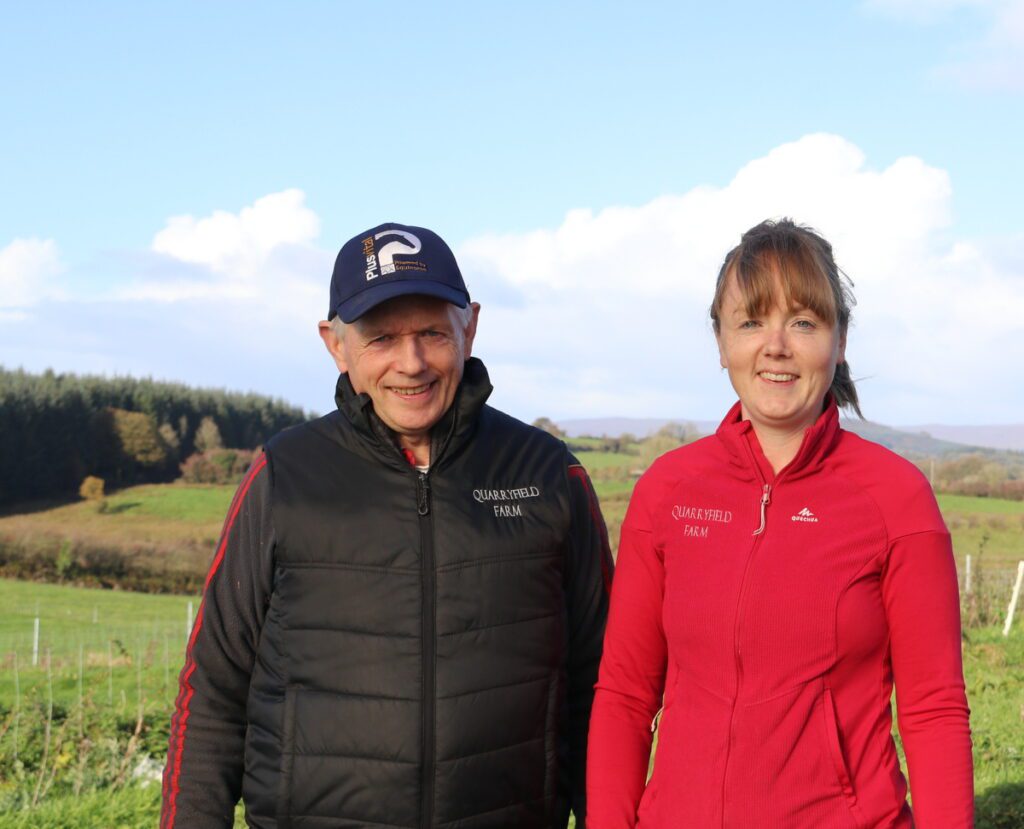
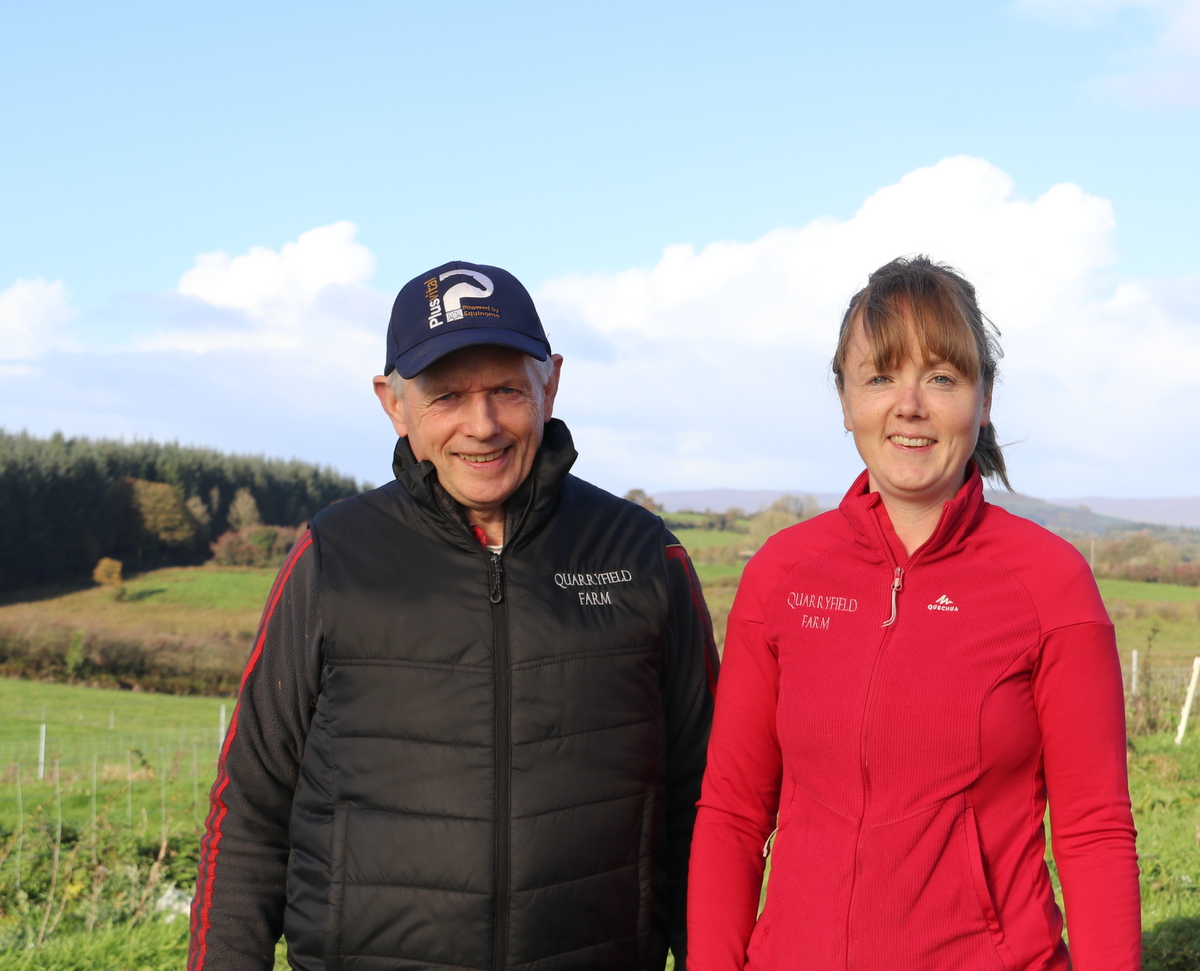
Gerald and Kelly from Quarryfield Farm in Sligo told us what social farming means to them. They enjoy it just as much as the participants and they explained that it gives them a chance to slow down and enjoy their farm through fresh eyes. You can watch the interview here:
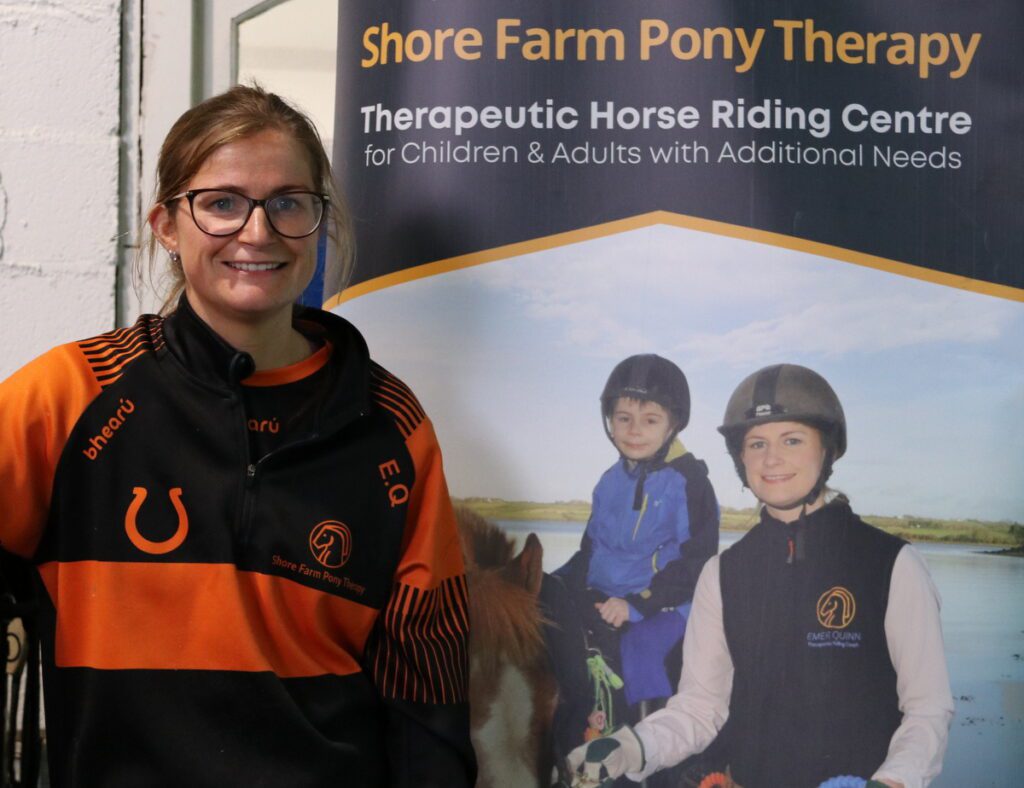
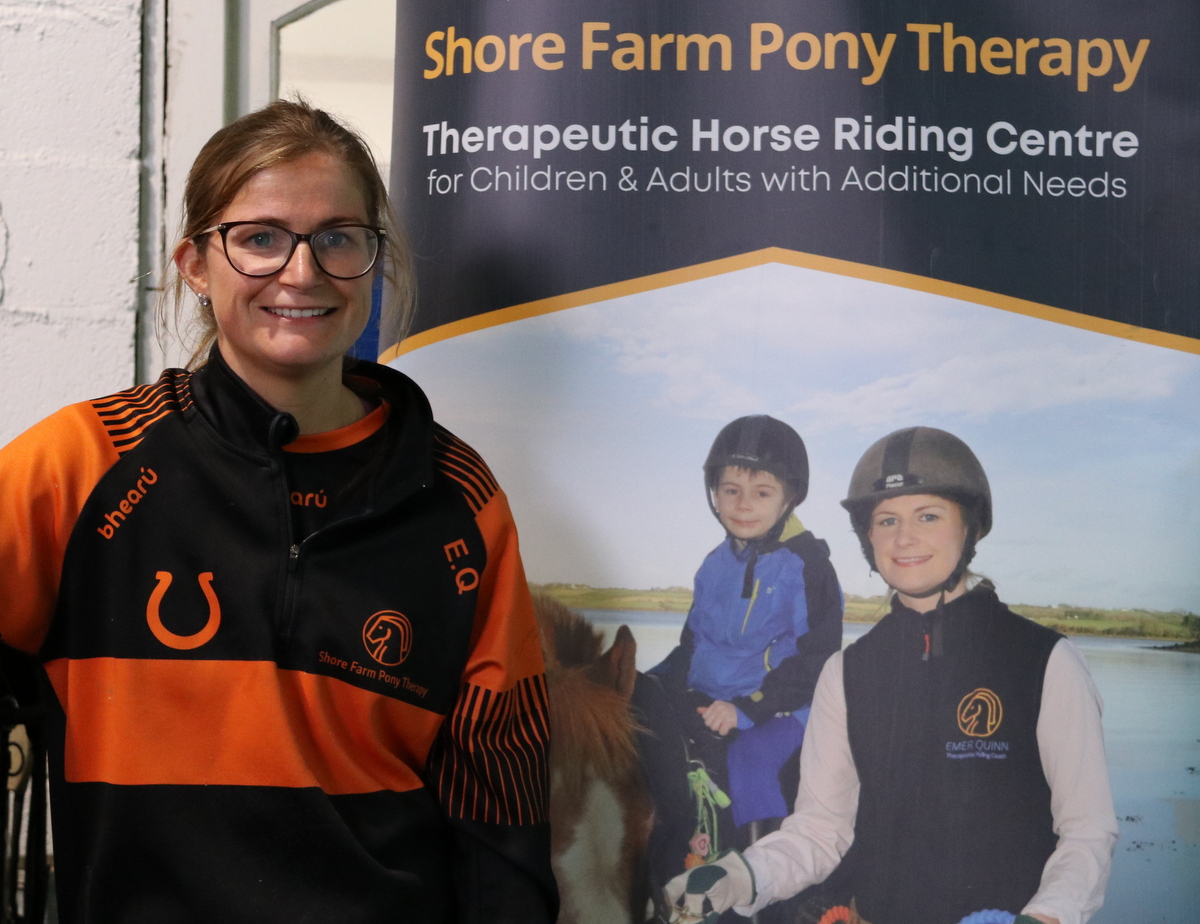
Emer from Shore Pony Therapy. Emer tells us about the benefits of equine therapy, and about her work with Social Farming Ireland, Ballina Autism Friendly Town, and more:
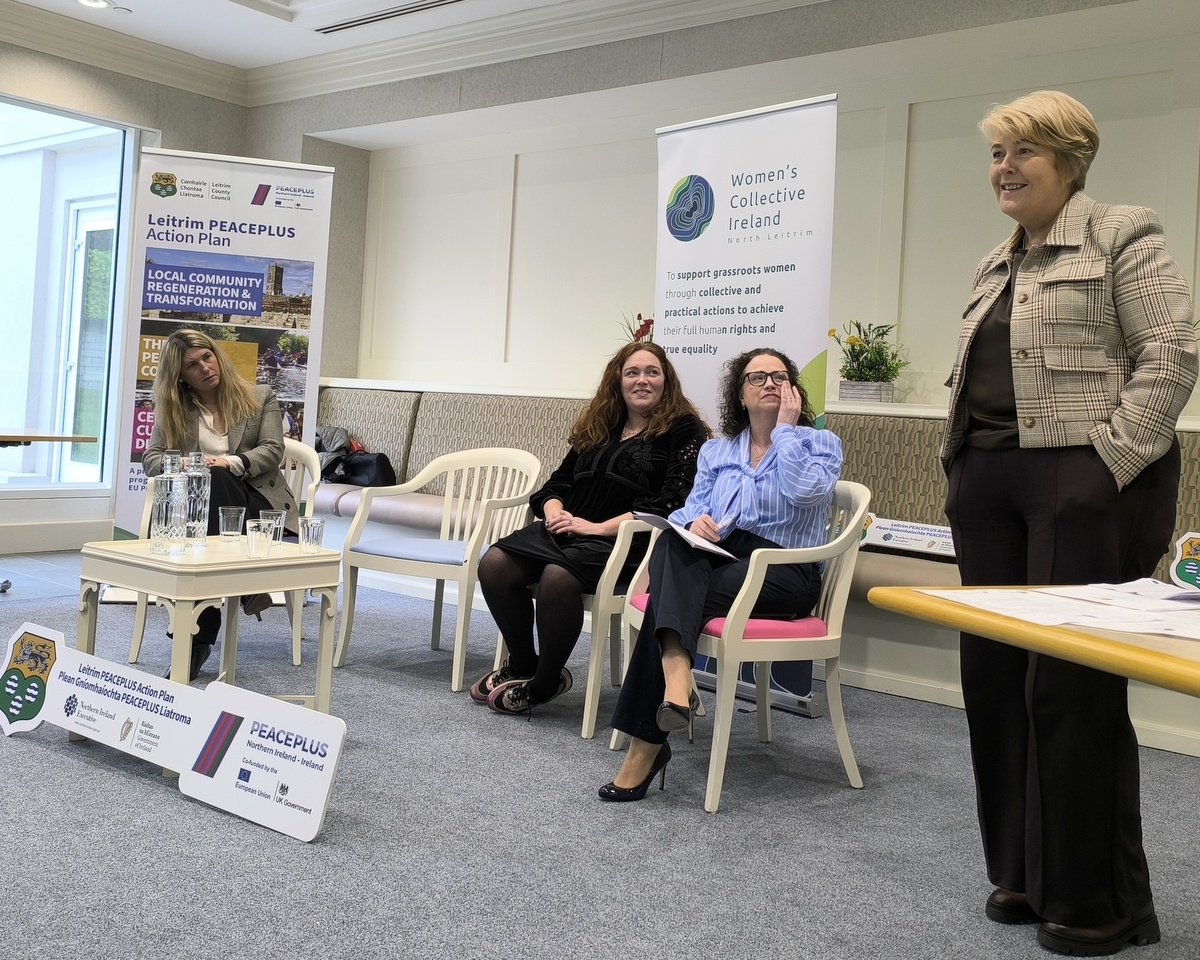
On November 13th, we attended the Leitrim Women in Agriculture event – A Celebration of Roots and Resilience. This is the first event of The Hidden Half – Leitrim Women in Focus Project, supported by PEACEPLUS.
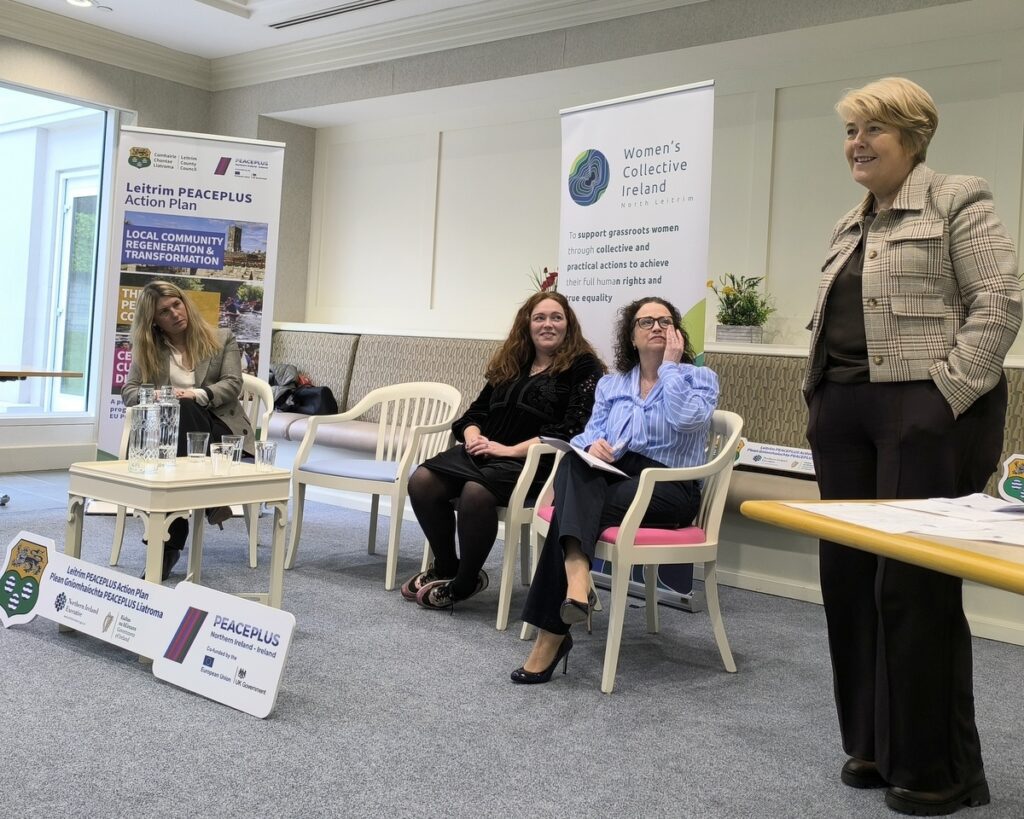
At this event we heard from Helen Doherty, Social Farming National Coordinator. Leitrim Development Company, CLG. Helen spoke about her passion for volunteering in her local community, which led to her working for Social Farming Ireland.
Helen explained that the farms that take part in Social Farming Ireland are ordinary, working farms, and active participation in the everyday activities that take place on a typical farm is central to Social Farming and one of their core values. Another key principle is that all activities are person-centred. This applies to everything they do in Social Farming – from the support they provide to farmers, to the support farmers give to participants on the farm. Each experience is shaped by the individual’s abilities, confidence, and interests, as well as by what the particular farm can offer, with the aim of finding the right fit.
The farmers play a central role in creating a positive, supportive, and meaningful experience for participants. The whole process to join Social Farming Ireland takes around a year from the time of the application. The farmers attend a training course, and are given support at every step of the way. The farmers are compensated for their time and commitment, while participants become empowered through their placements and gain confidence, skills, and a stronger sense of self-worth.
Helen told us about so many success stories, and showed us photographs of participants of Social Farming Ireland. It’s such a wonderful initiative, and it supports people from all walks of life. Referrals for Social Farming Ireland come from a wide range of agencies, including health services like the HSE’s Child and Adolescent Mental Health Service (CAMHS), Rehab Care, and more.
If you’d like to know more about Social Farming Ireland, you can visit their website here: https://www.socialfarmingireland.ie/